Goodreads Research
Conducted usability research on Goodreads to identify pain points, improve user experience, and inform design recommendations.
Project Overview
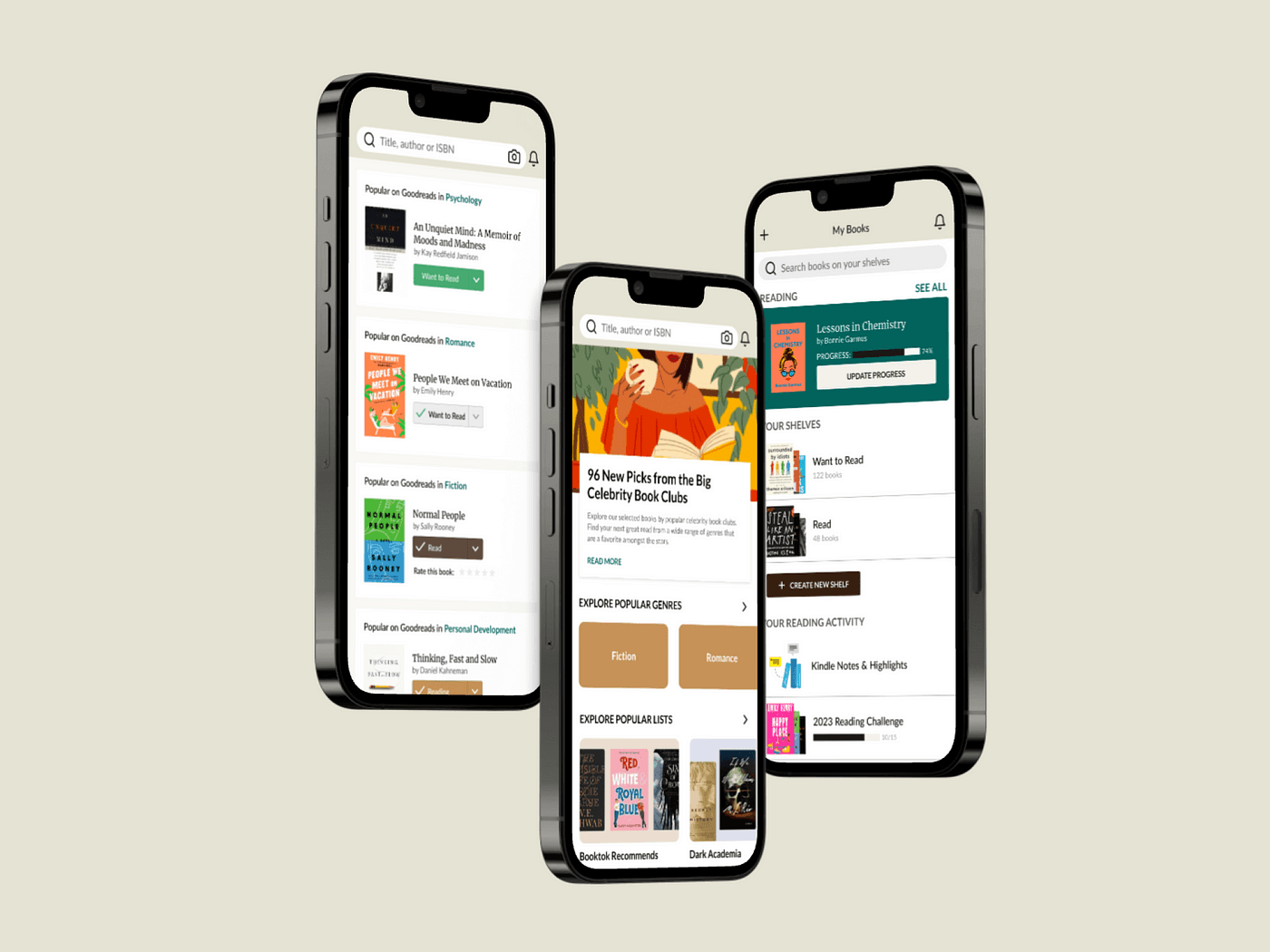
Our team conducted a comprehensive usability study of the Goodreads mobile app to identify pain points, evaluate its strengths, and generate actionable recommendations for improvement. The project combined expert evaluations, user research, and task-based testing to uncover both minor and major usability issues.
Project Goals
The goals of this research were to:
Identify usability problems, ranging from minor frustrations to major obstacles.
Highlight positive elements of the Goodreads app that enhance the user experience.
Generate actionable recommendations to improve overall usability and user satisfaction.
Methods & Process
We used a multi-step approach to ensure thorough evaluation and insight gathering:
Expert Evaluation
Conducted a heuristic evaluation and cognitive walkthrough to identify potential usability issues and cognitive burdens in the app interface.
User Research
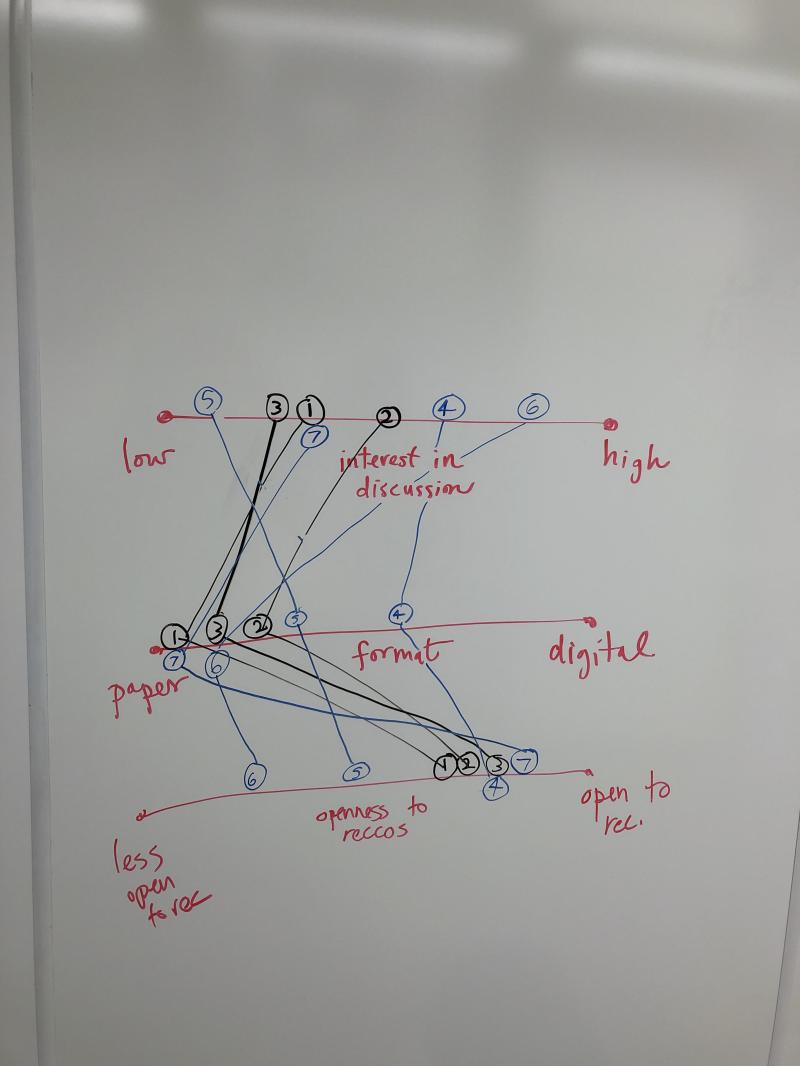
Screened participants to align with our target audience.
Conducted interviews to explore attitudes toward books, reading habits, and experiences with book-related apps.
Usability Testing
Participants completed specific tasks within the app while we measured:
Task completion time
Errors made
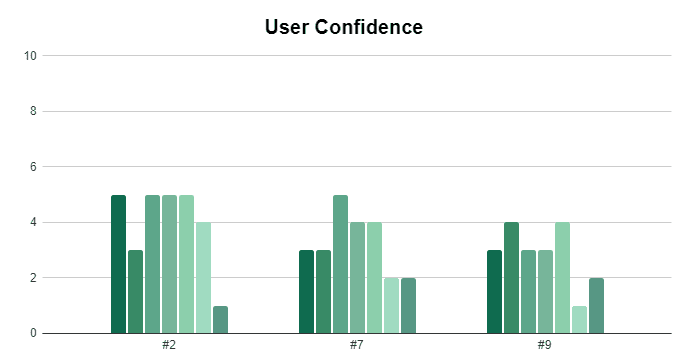
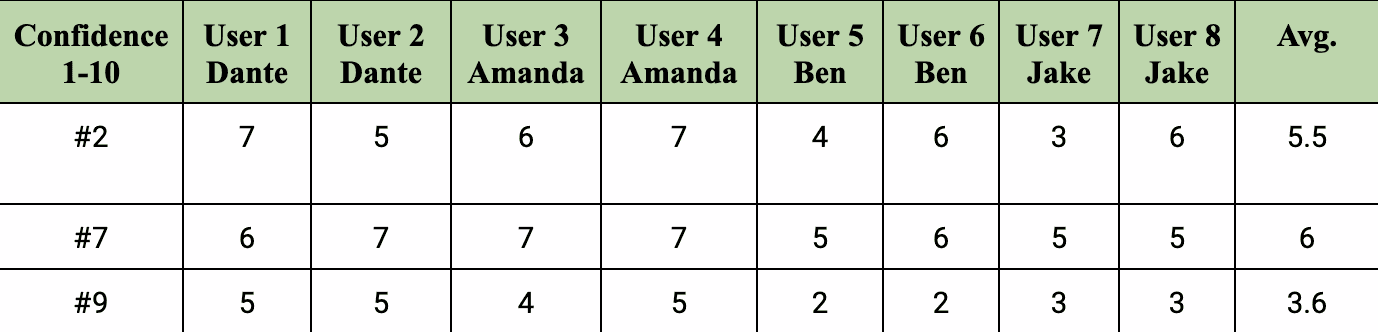
User confidence
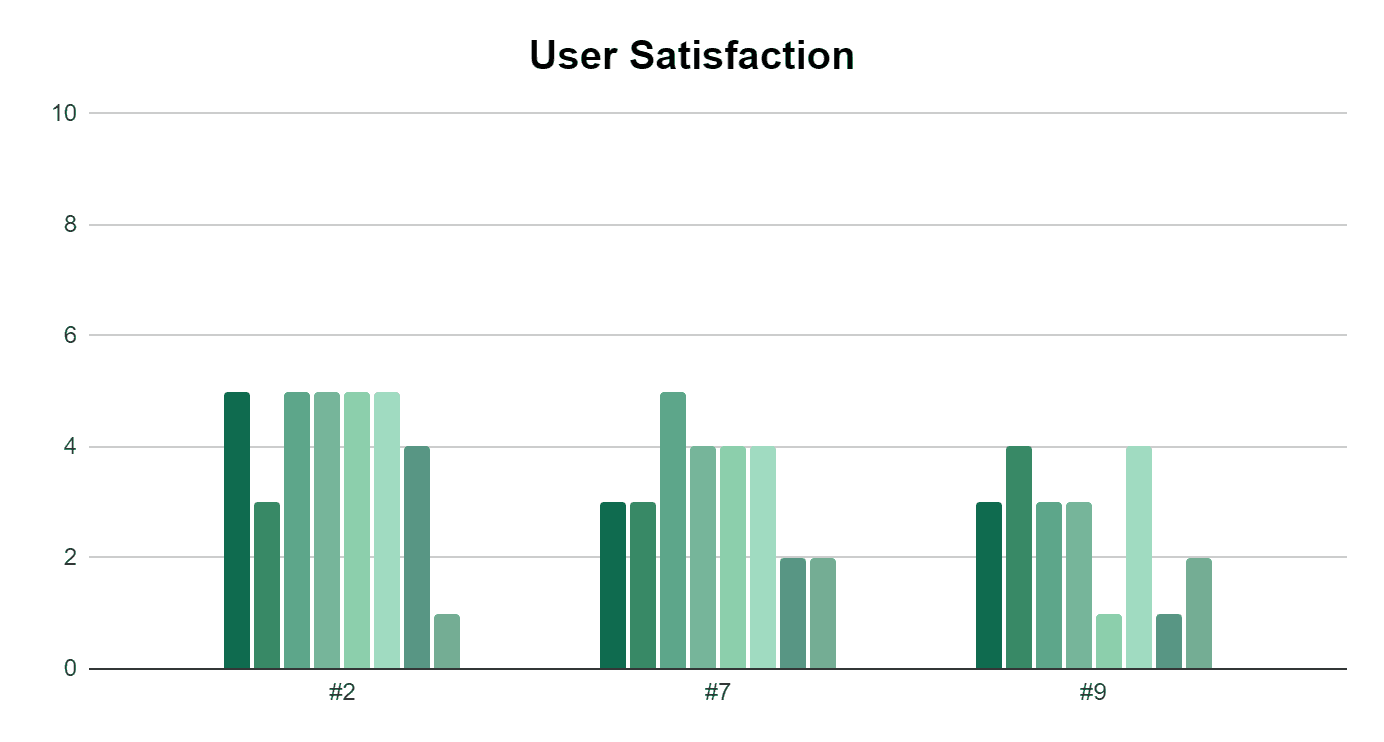
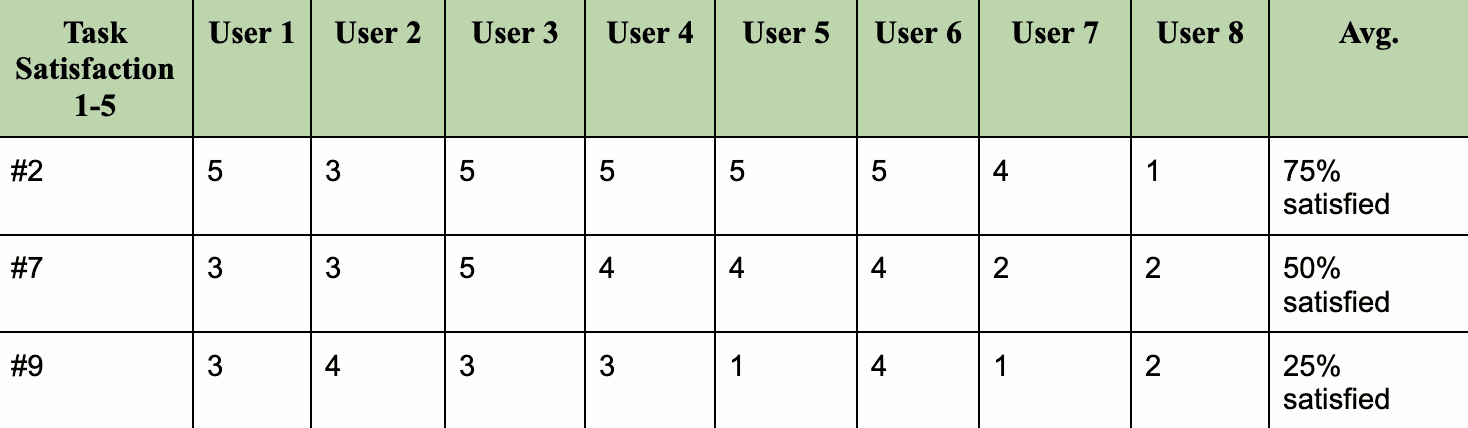
Satisfaction levels
Overall task success
Observations from these tests helped pinpoint areas for improvement in usability and overall user experience.
By integrating these methods, we gained a clear understanding of the Goodreads app’s strengths and weaknesses, which informed our final recommendations.
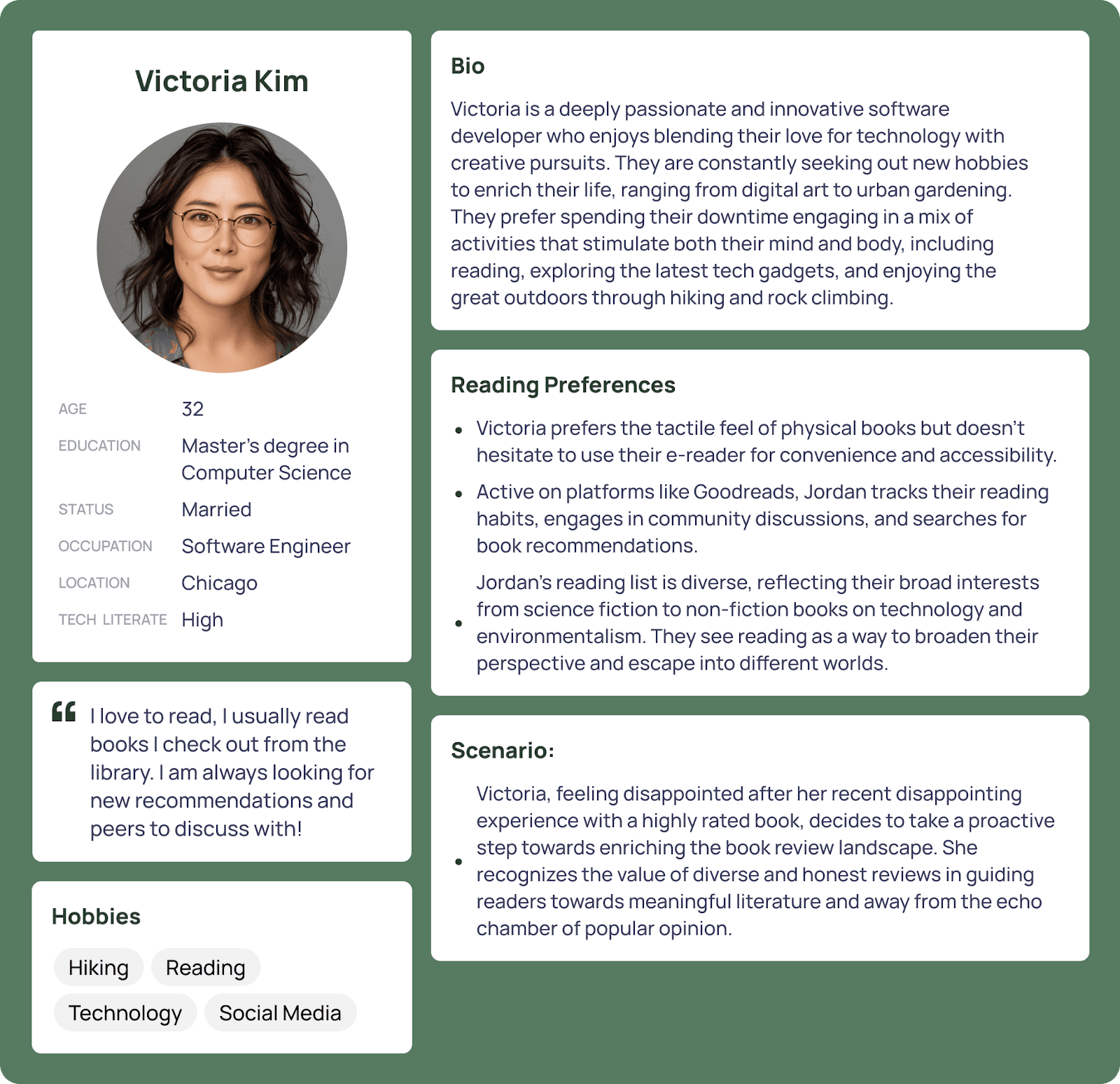
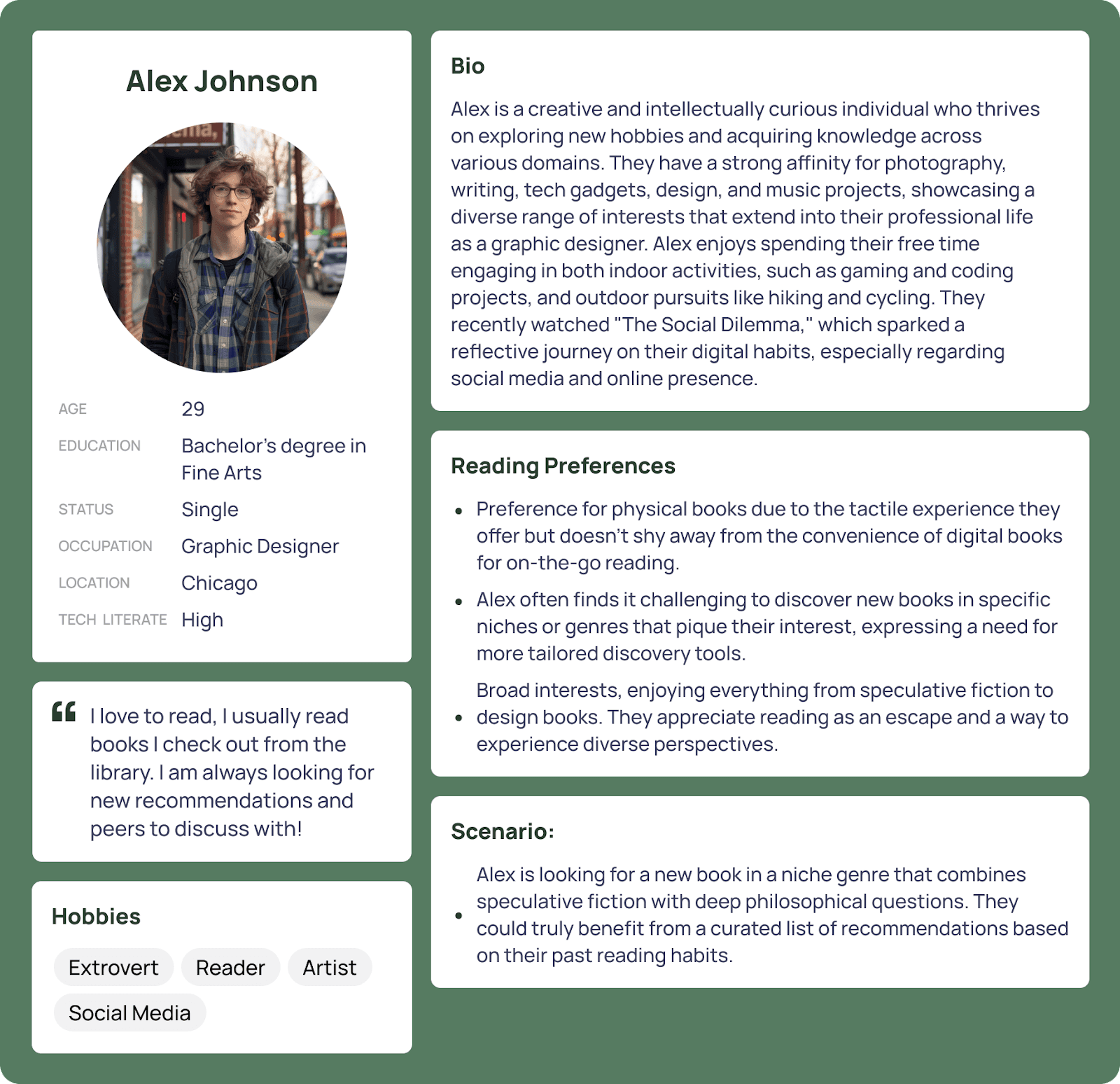
Personas
Usability Test Findings
Users were often confused about where to navigate within the app.
The search bar was not intuitive for finding groups.
Users were not informed when their discussion posts were successfully submitted.
Final Results & Recommendations
From our findings, we developed recommendations to enhance the Goodreads app experience:
Improve navigation clarity by highlighting primary actions and reducing cognitive load.
Enhance search functionality to make groups and discussions more discoverable.
Provide clear feedback when actions are completed (e.g., posting a discussion).
Streamline the interface to remove or reorganize cluttered elements and emphasize core user goals.
Reflection
Positive Experience: Enjoyed designing participant screeners and improving selection to better represent the target audience.
Task Design: Crafting usability test tasks strengthened critical thinking about app functionality and user flow.
Firsthand Observations: Watching users interact with the app revealed insights impossible to gain from analytics alone.
Improvement Areas: Learned to better organize testing, reset the app efficiently, and time tasks accurately.
Focus Moving Forward: Plan to improve attention to detail, simplify procedures, and prioritize quality over quantity to gather more meaningful insights.